As we hit 2026, the operating system landscape is buzzing with activity. Windows 11 continues to evolve with AI integrations and performance tweaks, but it’s facing criticism for bugs, forced updates, and hardware demands. On the flip side, Linux distributions (often called “flavors”) are maturing rapidly, offering free, customizable alternatives that run efficiently on a wide range of hardware. If you’re a Windows user pondering a switch—perhaps due to the end of Windows 10 support or frustration with Microsoft’s direction—this post breaks down the latest developments in both worlds and analyzes whether jumping to Linux makes sense for you. What’s New in Windows 11 for 2026?Windows 11 is pushing forward with its annual feature updates, focusing on AI, cross-device functionality, and reliability fixes. The latest patches, like KB5074105 for versions 25H2 and 24H2, introduce enhancements such as Cross-Device Resume (pick up activities from your Android phone on your PC), improved MIDI support for musicians, and better Narrator controls for accessibility.
Microsoft is also addressing user complaints about buggy updates and glitchy UI elements, with promises from leadership to prioritize performance and “pain points” throughout the year.
Upcoming versions include 26H1 (codename Bromine) for new Arm-based hardware in spring, followed by 26H2 (Germanium) for broader rollout in fall, emphasizing AI agents and deeper Copilot integration.
Pros of sticking with Windows 11:
- Seamless integration with Microsoft services like Office 365, Teams, and OneDrive.
- Strong gaming support via DirectX 12 Ultimate and Auto HDR.
- Familiar interface for productivity, with features like Snap Layouts and enhanced security (TPM 2.0, Secure Boot).
Cons:
- Persistent bugs, such as shutdown issues or Wi-Fi disappearances, have frustrated users. ntdotdev.wordpress.com
- Heavy AI push (e.g., Copilot on the taskbar) feels intrusive to some.
- High hardware requirements exclude older machines, pushing users toward upgrades.
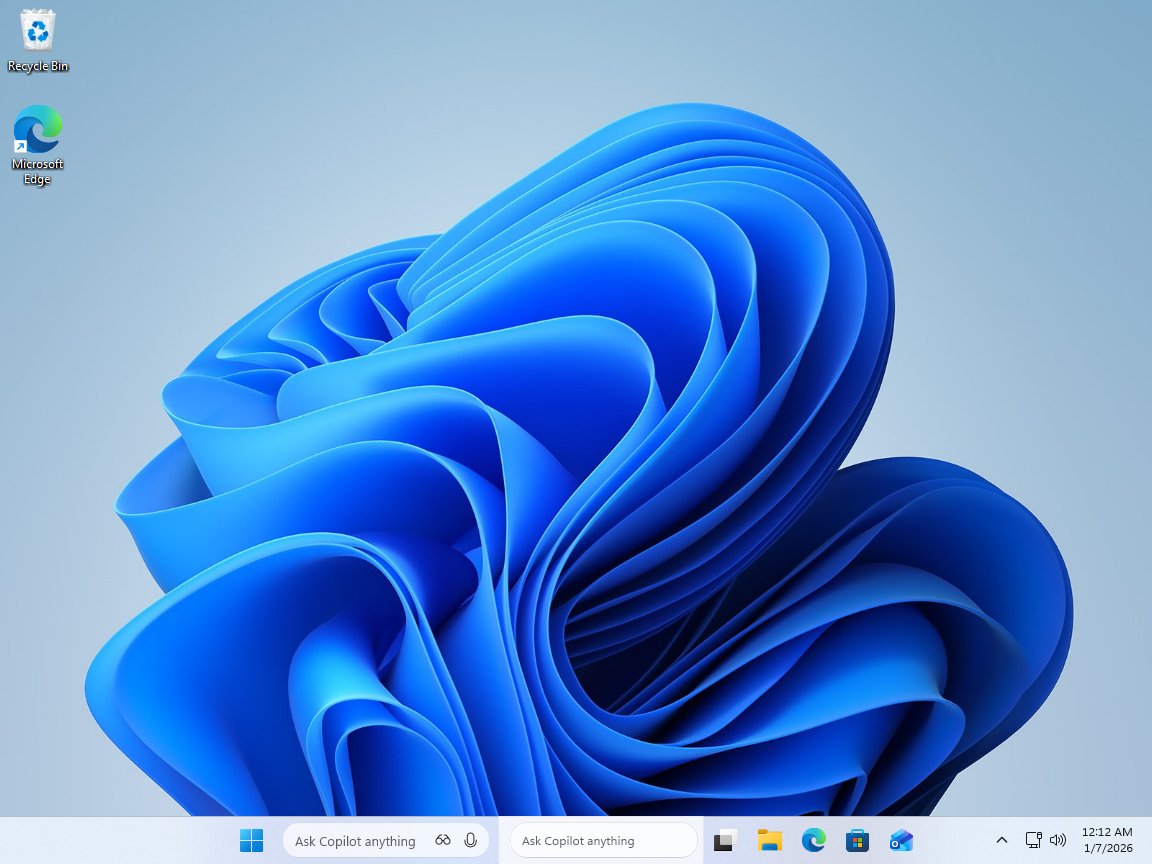
Here’s a typical Windows 11 desktop in 2026, showcasing the centered taskbar and Copilot search:
Emerging Linux Flavors in 2026
Linux distros are thriving, with 2026 seeing refined releases tailored for beginners, gamers, and power users. Top picks include Ubuntu 26.04 LTS for long-term stability and AI features, Fedora KDE for cutting-edge gaming, Zorin OS 18 for Windows-like ease, Linux Mint 22 (Cinnamon Edition) for a traditional feel, and Pop!_OS for hardware compatibility. linuxblog.io +3 Gaming-focused options like Bazzite (Fedora-based) and Nobara shine with built-in tools for Steam and Proton.
These distros emphasize:
- Free downloads and no licensing fees.
- Lightweight operation, breathing new life into older hardware.
- Customizable desktops (e.g., KDE Plasma for advanced tweaks).
For example, Zorin OS mimics Windows layouts to ease the transition:

Linux Mint’s Cinnamon desktop offers a clean, familiar start menu:
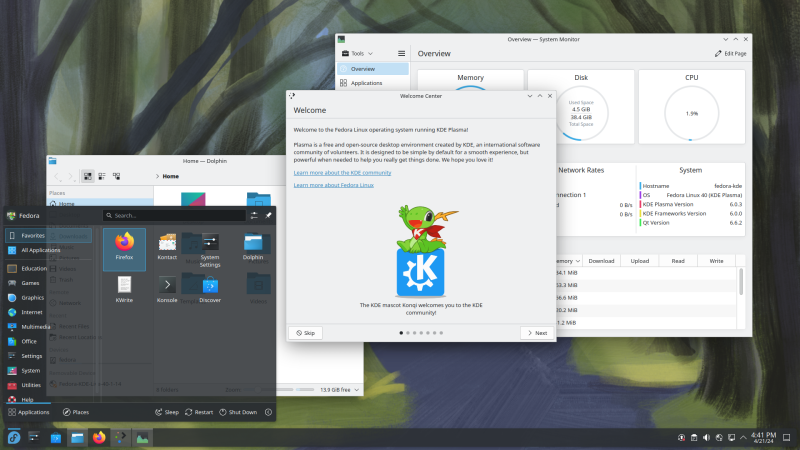
Fedora KDE provides a modern, gaming-ready interface:
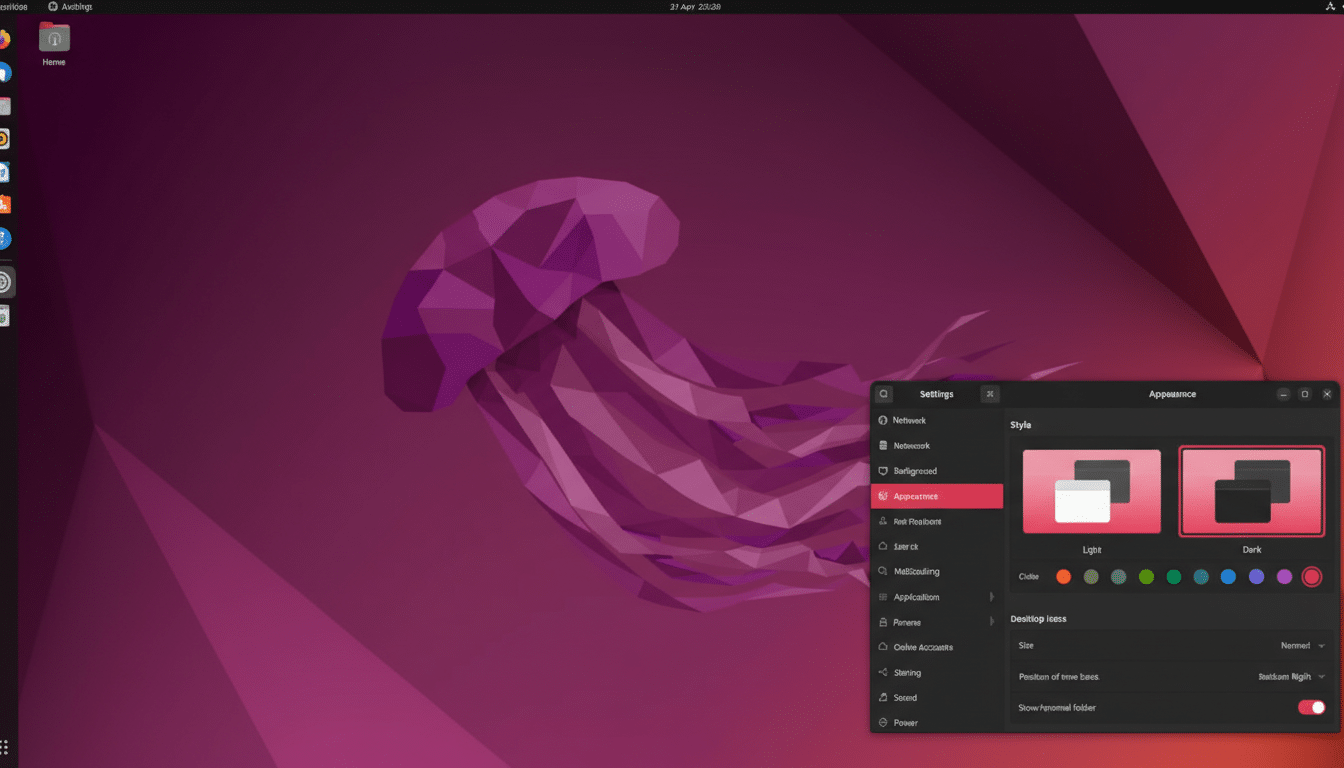
Ubuntu’s GNOME-based desktop integrates well with new hardware:
Head-to-Head Comparison To help decide, here’s a table comparing key aspects based on 2026 trends:
| Aspect | Windows 11 | Linux Flavors (e.g., Ubuntu, Fedora, Zorin) |
|---|---|---|
| Usability | Plug-and-play for Microsoft apps; centered taskbar and AI search. | Highly customizable; beginner-friendly distros like Zorin mimic Windows. |
| Performance | Good on modern hardware but resource-heavy; bugs in updates. tomshardware.com | Lightweight; faster boot times and better on old PCs. pcmag.com |
| Security/Privacy | Strong defaults like VBS; but telemetry and AI raise concerns. tobinsolutions.com | Open-source code; no built-in tracking; fewer viruses. zdnet.com |
| Software Availability | Native support for Adobe, Office; vast ecosystem. | Alternatives like LibreOffice; Proton for Steam games; some apps lack (e.g., Photoshop). howtogeek.com |
| Gaming | Excellent with DirectX; anti-cheat issues resolved in many titles. | Strong via Steam Deck tech; Bazzite excels, but some multiplayer games lag. gamingonlinux.com |
| Cost | $139–$199 for license; free upgrades if eligible. | Completely free; no subscriptions. |
| Updates | Forced, sometimes disruptive; annual features. youtube.com | User-controlled; rolling releases in some distros for latest tech. |
Overall, Linux edges out in flexibility and efficiency, while Windows wins for specific proprietary software.Why Switch from Windows to Linux?If you’re fed up with Windows 11’s direction, here are compelling reasons to switch:
- Cost Savings and Hardware Longevity: Linux is free and runs smoothly on machines that Windows 11 rejects due to TPM requirements. lpi.org Users report reviving old laptops with distros like Linux Mint. @NAT_and_PAT
- Privacy and Control: No forced AI or telemetry; you control updates without reboots mid-work. xda-developers.com
- Customization and Speed: Tailor your desktop; faster performance without bloat. pcmag.com
- Community and Security: Open-source means rapid fixes; less malware risk.
- Gaming Viability: With Proton, most Steam games work; distros like Fedora KDE are “stable yet up-to-date.” gamingonlinux.com
Real users on X echo this: One recommends Zorin for its Windows-friendly look and near-100% compatibility.
@turtle_lasagna Another switched to Mint for efficiency on older hardware.
@NAT_and_PAT Why Stick with Windows? Not everyone should switch—consider these drawbacks:
- Software Gaps: Apps like Adobe Suite or certain multiplayer games with anti-cheat don’t run natively. howtogeek.com
- Learning Curve: Troubleshooting requires forums or commands; no official support like Microsoft’s.
- Hardware Quirks: Some peripherals need tweaks, though most work out-of-box in modern distros. youtube.com
- Ecosystem Lock-in: If you’re deep in Microsoft tools, the transition disrupts workflows.
If your work relies on specific Windows-only software or you prefer minimal hassle, stay put. Final Thoughts: Make the Switch If…In 2026, Linux flavors like Zorin, Mint, and Fedora offer a robust alternative to Windows 11, especially for privacy-conscious users or those with older hardware. The switch is easier than ever—start with a dual-boot setup to test waters. Ultimately, it depends on your needs: if control, speed, and zero cost appeal more than seamless proprietary integration, go for Linux. Otherwise, Microsoft’s fixes might keep Windows viable. Whichever you choose, both OSes are advancing, making computing more exciting than ever.